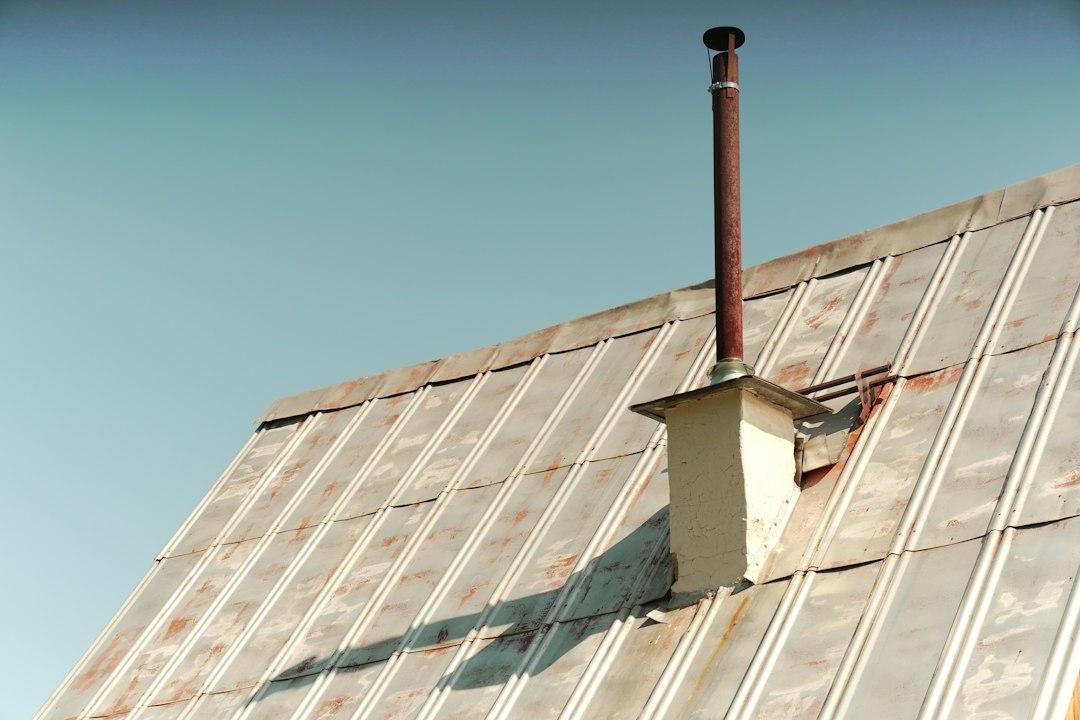
Labour at height is most of the bill
Brick is not the expensive part of a chimney rebuild. A pallet of new brick and a few bags of mortar cost less than most people guess. What costs money is the hours spent on a roof: knocking old courses loose without letting them fall through the shingles, lowering the rubble, hauling it away, then carrying new brick and wet mortar back up and laying it plumb, course after course, in the wind. Eckert Chimney Company is a masonry outfit based in Monterey Park, and when we price a rebuild on one of the older houses here, most of what we are pricing is time on the stack.
That is also why one rebuild can land at a very different figure from the one next door. A low single storey ranch with a shingle roof and a stack that only needs four feet taken off is a short job. A two storey Spanish revival on a hillside lot, with a clay tile roof that has to be lifted and relaid around the chimney, is a long one, even if the brick looks the same from the sidewalk.
What a mason counts before writing a figure
These are the items we measure or test on the visit. Each one moves the proposal up or down.
- Where the brick turns sound. We tap units and scratch joints with a pick as we go. Brick that rings and mortar that resists the point are where taking down stops. On some stacks that is a couple of feet above the shingles; on others it is inside the attic.
- Flue count. A stack that carries a fireplace flue and a second flue for a furnace or water heater is wider and takes two runs of tile to set and line up.
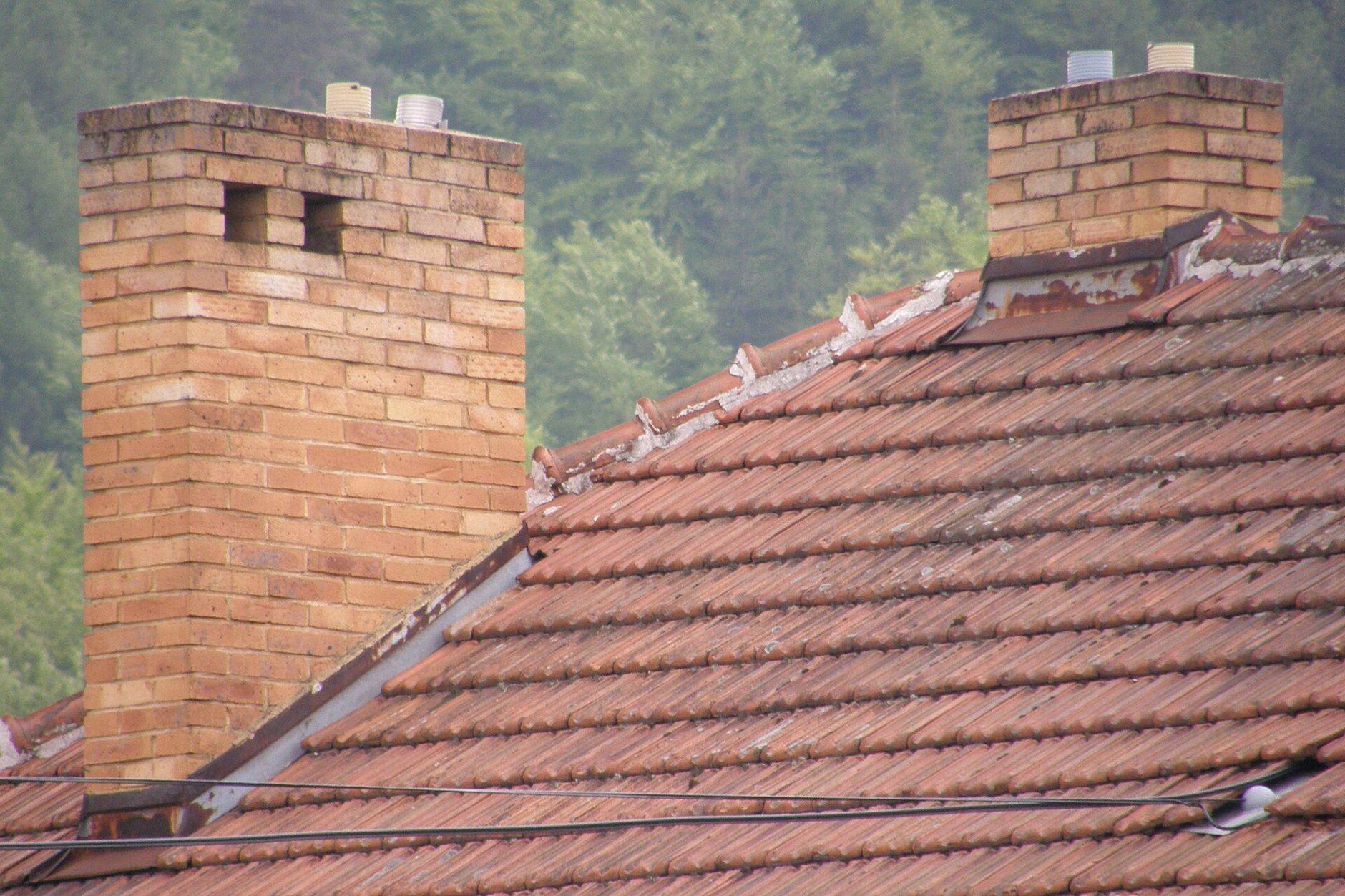
- The brick itself. A 1930s wire cut red, a smooth face brick from the 1950s and a used common brick all need a different match. Salvaged brick takes longer to find and costs more than new; a new blend can sit close if the face will be seen from the street.
- Mortar. Older soft brick wants a softer, lime rich mix; harder modern brick takes a Type N or Type S. Getting that pairing wrong is how a new joint ends up breaking the brick beside it.
- Roof and height. Pitch, number of storeys, shingle, tile or flat roof, and whether we need scaffold or can work from ladders and roof jacks.
- The top. A proper cast crown, a cap and new flashing where the new brick passes back through the roof.
- Steel. On a rebuild we can add reinforcing and ties to the framing as the new courses go up, which is far easier now than later.
Figures we publish, and the one we do not
Some of the pieces around a rebuild carry a set price on this site, and we use the same figures in every proposal:
- Camera survey of the flue below the planned cut line (Level 2 inspection): $385
- A cricket behind a wide stack, so roof water is split before it reaches the brick: $440 to $995
- That cricket together with all new step and counter flashing: $660 to $1,650
- Finding and stopping water that is already getting in: $550 to $3,300
- A new cap to finish the rebuilt top: quoted after we measure
The rebuild itself has no posted figure, because the cut line, the brick match and the roof decide it. We stand on the chimney, test the courses, then hand you a written proposal with each item on its own line. Nothing is laid until you have agreed it.
Ask for a rebuild proposal and tell us how old the house is, how many storeys it has and whether the roof is shingle or clay tile.
Why some rebuild bids come in low
A low bid is not always a bad one, but it is often a different job wearing the same name. When you compare proposals, look for these:
- Parging in place of rebuilding. A coat of cement smeared over loose brick hides the cracks for a season, traps water behind it and comes off in sheets.
- Hard mortar on soft brick. Portland heavy mortar sets harder than an old brick. When the house moves or the stack heats up, the brick gives way instead of the joint.
- A skim instead of a crown. A thin layer of mortar troweled over the top course is not a crown. It cracks in the first summer.
- Old flue tile reused. Cracked tile goes back in because replacing it adds hours.
- No flashing line. If the bid stops at the brick and never mentions the roof, the leak that started the job may still be there when the scaffold comes down.
Ask every bidder the same question: where do you stop taking brick down, and what do you do if the brick is still loose at that point? A mason who has done the work will answer in courses and joints.
How older houses in Monterey Park change the job
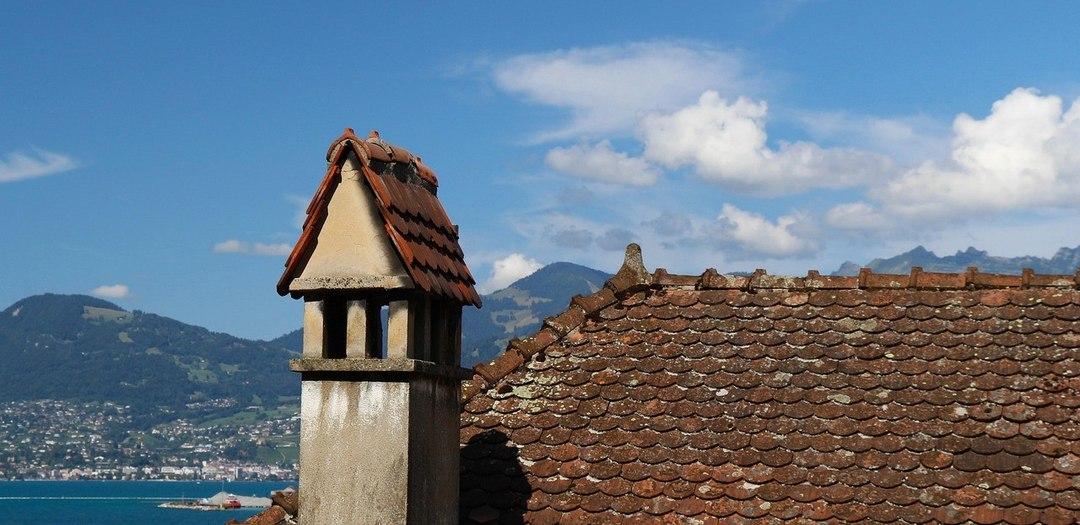
Many houses in Monterey Park, and across the line in Montebello, went up between the 1920s and the 1950s with unreinforced brick chimneys. Some were later wrapped in stucco to match a remodel, so the brick is hidden and we only see its condition once a test patch comes off. Clay tile roofs are common on the Spanish style homes, and lifting and resetting those tiles around the stack is slow, careful work that a shingle roof does not need.
The hills on the north side of town add another layer. A stack on the downhill wall of a raised house can be tall on one side and short on the other, and it may need scaffold even though it looks short from the street. We note all of that before we write a figure, so the proposal reflects the actual house.
What the written proposal names
You get a page you can read without a dictionary. It names:
- The course where taking down stops, and the brick and mortar we will lay above it.
- The flue tile or liner, the crown, the cap and the flashing.
- Any reinforcing steel or ties to the framing.
- Roof protection, rubble removal and cleanup.
- What changes the price if loose brick runs lower than expected. In that case we stop, show you the courses and write the extra work up as a change before going on.
If the stack only needs its joints renewed, the proposal says so and prices the smaller job. Our guide on repointing against rebuilding sets out how we tell the two apart, and the chimney rebuild service page shows what the work covers.
Booking the visit
A rebuild starts with someone on the roof and a camera in the flue. Use the contact page to tell us where the house is and what made you look at the chimney: a leaning top, brick on the roof, or a leak in the ceiling. We call back, set a visit and put the rebuild on paper once we have tested the brick.
Put an Eckert Mason on Your Chimney
We test the joints, read the brick and the crown, look at the flashing and the flue, then write a scope that names the material, the method and the price. Our crews work from Monterey Park across Montebello, Bell Gardens and the city of Los Angeles.