A mason's slab, not a coat of paint
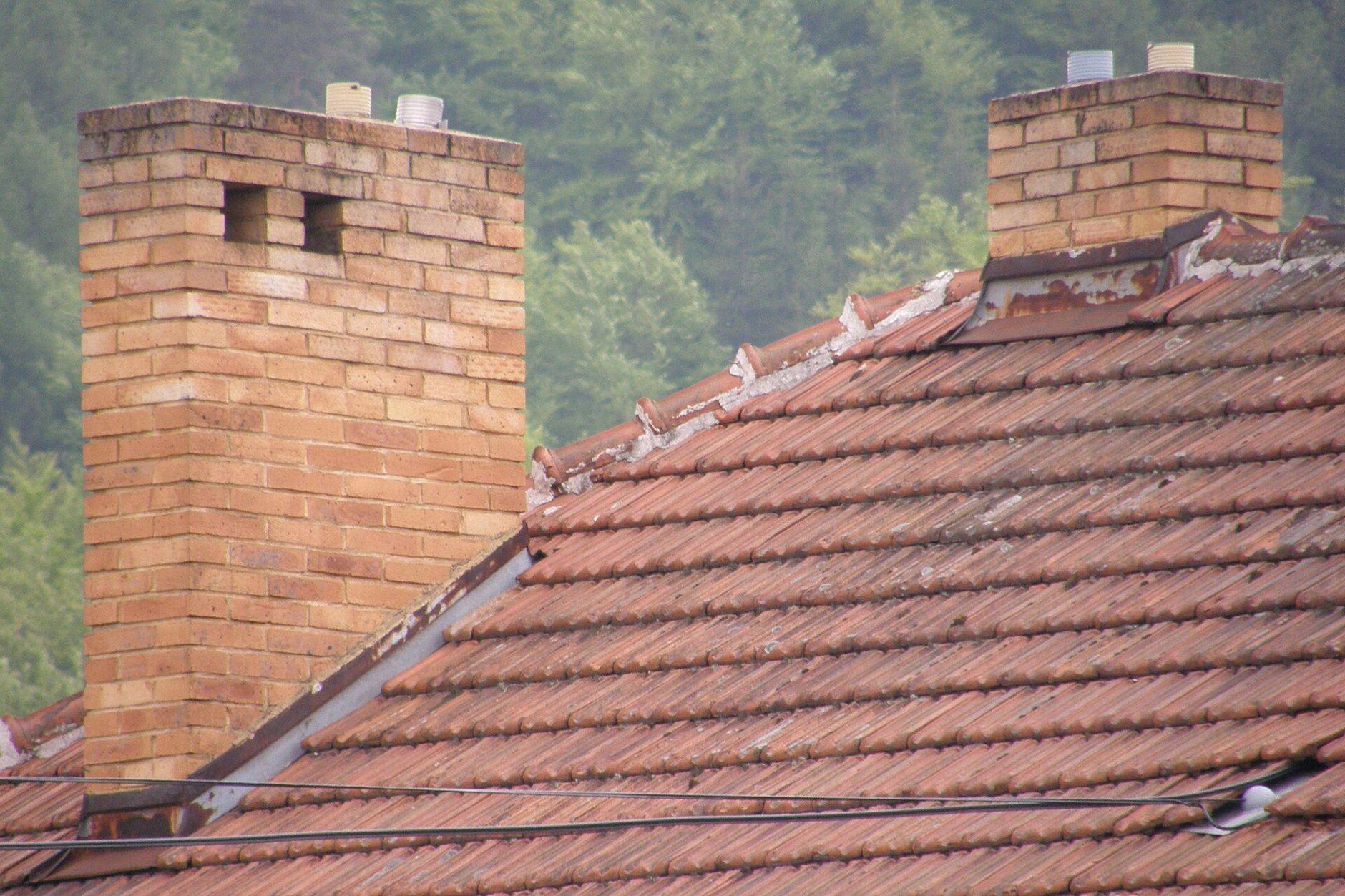
On top of a brick chimney sits a slab of masonry that keeps rain off the brick below it. Done well, it is a cast piece of concrete, thicker at the flue and thinner at the edge, that overhangs the brick on every side and leaves a small gap around the flue tile so the tile can move as it heats. Done badly, it is a layer of leftover mortar troweled over the top course on the last afternoon of the original job. A large share of the chimneys we look at in Monterey Park have the second kind. Eckert Chimney Company treats the crown as masonry work, and that changes how we repair and price it.
How a crown fails
A crown fails in a few predictable ways, and each one points to a different repair:
- Fine surface cracks. Shrinkage cracks across a crown that is otherwise thick and firm. Water gets in slowly.
- Cracks running to the edge. A crack that reaches the outside of the crown lets water straight onto the top courses of brick.
- Hollow or broken pieces. Tap the crown with a hammer and listen. A hollow sound means it has come away from the brick under it. Loose pieces mean it is done.
- A crown that never overhung. Flush with the brick, so every drop of water runs down the face of the chimney and into the joints.
- Tile locked in mortar. No gap around the flue tile, so heat movement has cracked the crown outward from the tile.
The damage shows up below: wet brick under the top courses, joints washing out, white salt staining on the face, stains on a ceiling near the chimney or rust on the damper.
Repair or replace
When the crown is thick, stuck fast to the brick and cracked only on the surface, we can rout the cracks open, fill them with a crown repair compound and coat the whole top with a sealer made for crowns. That keeps water out for years and costs much less than a new crown.
When the crown is hollow, broken through, too thin, or flush with the brick, coating it is money wasted. We break it off, check the top courses underneath, rebuild any loose brick, then form a new crown with timber or metal forms so it overhangs the brick, pour or pack it with a mix made for the job, and leave a bond break and a sealant joint around each flue tile. The forms come off once it has set, and the cap goes back on.
What decides the cost
Crown work does not carry a posted figure on this site, because these items change it from one chimney to another:
- Repair or replace, which the hammer test decides.
- The footprint of the top, and whether it carries one flue or several.
- Whether the top courses under the crown are loose and need relaying first.
- Roof pitch, height and how we get up there.
- Whether a cap has to come off and go back on, or be replaced.
What does carry a figure: a Level 2 inspection at $385 if we need the camera to see what water has done inside the flue, and leak repair at $550 to $3,300 when the crown is only one of the ways water is getting in. A new cap is quoted on site. On the visit we test the crown, measure it and write up the repair or the replacement as a line on your proposal.
Ask for a crown visit and tell us where you see the water, whether there is a cap on top and if the chimney is brick showing or covered in stucco.
Crown or cap: they do different jobs
People often ask if a cap will do instead of a crown repair. It will not. A cap sits over the flue opening and stops rain, birds and leaves going straight down the flue. The crown covers the rest of the top. A chimney needs both. A good cap with a broken crown still lets water into the brick; a new crown with no cap still lets water down the flue. We often fit both at once because the cap has to come off for crown work anyway.
Why it matters in Monterey Park
Our rain comes in a few heavy storms each winter, and a cracked crown takes in a lot of water fast in those storms, then the summer heat bakes it. That cycle opens cracks a little more each year. On older stacks with soft brick and lime mortar, water from a failed crown is what washes the top joints out and loosens the top courses, which turns a crown repair into a rebuild of the top of the chimney. Catching it early is the cheaper path. See the crown repair service page for what the work covers, or the waterproofing page for what we apply to the brick once the top is sound.
Signs to look for from the yard
You do not need to climb up to know something is wrong. These are worth a call:
- Stains or a damp patch on the ceiling or wall beside the chimney after rain.
- White staining on the outside brick, near the top.
- Mortar or bits of concrete on the roof around the stack.
- A rusty damper or water in the firebox.
- A chimney top that looks uneven or broken when viewed from across the street.
How the visit goes
We go on the roof, tap and inspect the crown, check the cap and the top courses, and look at the flashing at the roof line in case the water has more than one route. If there is reason to think water has reached the flue tile, we run a camera. Then you get a written proposal that says repair or replace, names the materials and lists any brick or cap work alongside.
Homes in Monterey Park, Bell Gardens, Montebello and Los Angeles are all in our area. Start with the contact page and a line about where the water shows up; we will arrange a visit and tell you plainly which crown repair your chimney needs. For crowns damaged along with the brick, our guide on repointing against rebuilding explains the larger repair.
Put an Eckert Mason on Your Chimney
We test the joints, read the brick and the crown, look at the flashing and the flue, then write a scope that names the material, the method and the price. Our crews work from Monterey Park across Montebello, Bell Gardens and the city of Los Angeles.