Old brick, new owner, short window
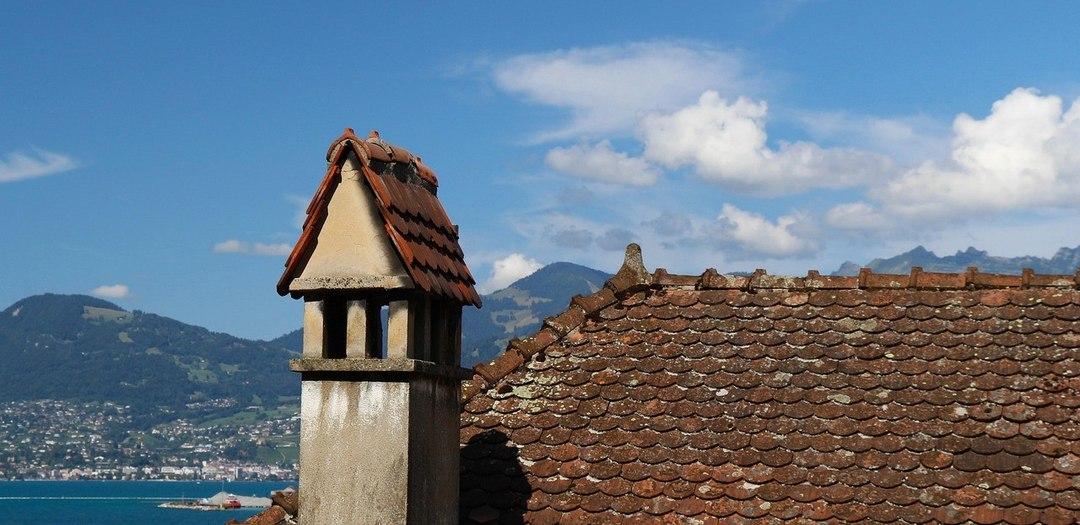
Buying a house with a brick chimney means buying masonry you have never seen up close, laid by someone long gone, with repairs nobody wrote down. The general home inspector usually stands back, shines a light up the firebox, notes "further evaluation recommended" and moves on, because a chimney is a specialist job. If the house is in Monterey Park or the older parts of the San Gabriel Valley, that brick may be close to a century old. Eckert Chimney Company is a masonry outfit based in Monterey Park, and we inspect chimneys for buyers and sellers in escrow with a mason's eye on the brick as well as the flue.
Which inspection fits a sale
NFPA 211, the standard chimney inspectors work to, describes three depths of inspection. The middle one, Level 2, is the one it names for a change of ownership. Here is what each depth means in practice:
- Level 1: a look with a light at the exposed parts, from the room and the roof, and no camera. Enough for a chimney that has been burning without trouble for its current owner.
- Level 2: everything in Level 1, plus a video camera run up the full flue, plus the attic, the roof, and the brick outside. This is what you want in a sale, because nobody can tell you how the chimney has been used.
- Level 3: only when a Level 2 finds hidden damage that can only be seen by opening up a wall or removing masonry. Rare, and only by agreement.
What a mason looks for that others may not
Our Level 2 report covers the flue, the firebox and the damper, but on an older brick chimney the masonry often decides the cost of the sale. We look at:
- The joints. Sanded out, cracked or missing mortar, and where repointing is needed.
- The brick faces. Spalled or crumbling units, especially in the top few courses.
- The roofline. A horizontal crack or a patched band, often a sign of past quake damage.
- The crown. A cast crown or just a mortar skim, and whether it is cracked.
- The lean. Whether the stack is plumb, and whether it has pulled from the house wall.
- Past repairs. Hard grey mortar on soft red brick, cement parging over the face, a newer section laid on top of old brick.
Each finding is written up with a photo and a plain note on what it means and whether it needs action before the fireplace is used.
Turning findings into a repair request or a credit
A Level 2 report is most useful when each finding comes with a cost. Where the work matches a published price on this site, we list that price beside the finding:
- Water coming in at the chimney: $550 to $3,300 to trace and fix
- Water pooling behind a wide stack: a cricket at $440 to $995, or $660 to $1,650 with new flashing
- No cap, or a cap rusted through: quoted after we measure
Masonry items, such as repointing, crown work and rebuilding the top, are measured and written up as a line-item proposal. With those figures in hand, a buyer can put a repair request or a credit in front of the seller, and a seller can weigh fixing the chimney now against pricing the work into the deal. Our home sale inspection page explains how that conversation usually goes.
What the inspection costs
- Level 2 inspection with camera recording of the full flue and our masonry notes: $385
- Level 1 visual inspection, if your contract or your agent only calls for that: $54
Book an escrow inspection and tell us the property, whether you are buying or selling, the year the house went up if you know it, and who should get the report.
Who receives the report
The report belongs to whoever ordered and paid for it. If you want your agent, the other side's agent or your lender to get a copy, tell us when you book and we send the same report to each. The seller does not get a buyer's report unless the buyer chooses to share it. Our page for real estate agents covers how agents book on behalf of a client.
Getting access
Most of our escrow inspections are arranged through the agents. On the day we need room to work at the hearth, a ladder spot by the eaves and nothing stacked over the ceiling access. If the house is tenanted, the listing agent or the owner sets the time with the tenant.
If the report shows a lot of work
Older chimneys often show more than one problem. That does not have to stop a sale. The report ranks findings by what affects safety and use first, and the proposal can be broken into parts so a buyer and seller can agree who covers what. Our guide on repointing against rebuilding explains the larger masonry jobs, and the up to code repairs page sets out the usual fixes.
After closing
Once the keys change hands, the report is still useful. It tells the new owner which items were left for later, what each was expected to cost and which part of the chimney to watch through the first rainy season. Many buyers book the masonry work for the first dry spell after they move in, when the roof is easy to work on and the fireplace is not needed. Keep the report with the house papers; the photos are a record of how the brick looked on the day you bought it.
Buying in Monterey Park or nearby
We inspect houses for sale throughout Monterey Park, Montebello, Bell Gardens and the east side of Los Angeles. When you have an accepted offer, go to the contact page and send us the property and the names on the deal; we will set the inspection and send the report and photos to everyone on your list.
Put an Eckert Mason on Your Chimney
We test the joints, read the brick and the crown, look at the flashing and the flue, then write a scope that names the material, the method and the price. Our crews work from Monterey Park across Montebello, Bell Gardens and the city of Los Angeles.